
Best Kitchen Pantry Features That Streamline Meal Preparation
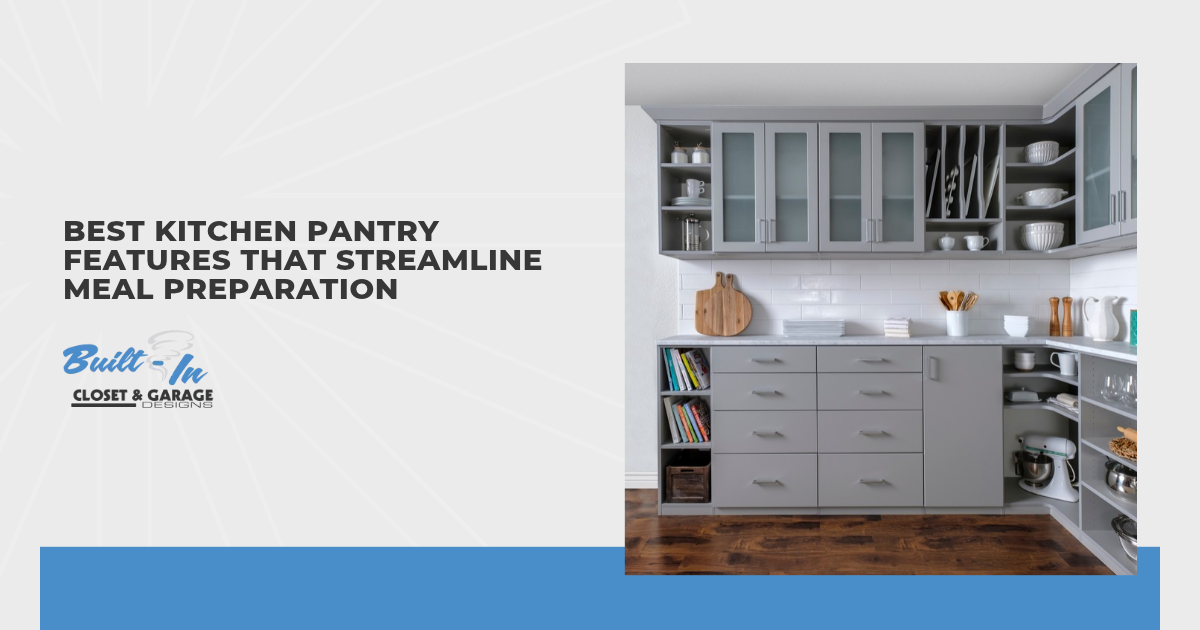
Vertical dividers and shallow spice racks are two of my favorite kitchen pantry features for busy weeknights. Say you’ve brought home green peppers from Bedner’s Farm Fresh Market in Boynton Beach and want to roast them for dinner. With the sheet pans stored upright, you can slide one out without lifting a stack. A glance at the spice rack tells you whether you have enough smoked paprika before you start slicing the peppers.
What I’d choose next depends on where dinner prep slows down for you. Maybe the rice you want to serve with those peppers sits behind the canned goods, so you have to unload half a shelf to reach it. A full-extension pullout brings the bag within reach, while a small landing shelf gives you somewhere to set the rice and broth as you gather what you need.
Here’s how eight kitchen pantry features can make it easier to find, measure, and gather what you need to cook.
- Adjustable shelves that fit the ingredients you buy
- Full-extension pullouts for deep pantry shelves
- Shallow spice racks with labels in view
- Dry-goods containers you can measure from
- Pull-out baskets that keep produce in sight
- Pantry lighting that helps you read the back row
- Vertical dividers for cutting boards and sheet pans
- A landing shelf for gathering recipe ingredients
Adjustable Shelves That Fit the Ingredients You Buy
If the olive oil only fits on the top shelf of your kitchen pantry, you’ll be reaching overhead for it almost every time you cook. An adjustable shelf lets you bring the bottle down to a comfortable height. Short jars of pesto and tomato paste can sit on a shelf with less space above it, where you can read the labels without stacking one jar on another.
I’d work out the spacing with a few groceries in hand. Try taking out your tallest bottle the way you would while making dinner, with one hand around its neck. If you have to tip it sideways to clear the shelf above, another notch of height may be all you need.
Full-Extension Pullouts for Deep Pantry Shelves
Halfway through making pasta sauce is a frustrating time to realize the can at the back holds chickpeas, not crushed tomatoes. On a deep kitchen pantry shelf, a full-extension pullout brings that last row forward far enough to read the labels. Before the onions go into the pan, you can see whether you have everything for the sauce.
One detail worth checking is how far the pantry door actually opens. A nearby wall can stop its swing and leave the door in the path of the pullout. I’d also leave room to stand beside the open shelf so you can lift a can from the back without leaning across the whole row.
Shallow Spice Racks With Labels in View
Ground cumin and coriander look much the same through the bottoms of glass jars. When the onions are sizzling, being able to read the names saves you from opening both jars to identify them by smell. A shallow rack along a side wall of your kitchen pantry keeps the labels facing you and uses space that might otherwise sit empty.
For spices that already occupy a shelf, a tiered insert can work just as well. The test is whether you can read the label on your shortest jar when it sits behind a tall seasoning blend. If all you can see is its cap, move the taller bottle to the back before deciding whether you need a different rack.
Dry-Goods Containers You Can Measure From
Will your one-cup measure fit through the mouth of your flour canister? A narrow jar turns a simple scoop into several spoonfuls, often with flour scattered across the counter by the time you’re done. A wide opening gives you room to fill the cup and level it. For ingredients you measure several times a week, that’s one kitchen pantry detail you’ll appreciate every time you bake.
Container size matters for another reason. If a fresh bag of flour only partly fits, you’ll need a second spot for what’s left. I’d choose a canister that holds the amount you usually buy and keep foods like pancake mix in their original boxes when the directions are useful to have on hand.
Pull-Out Baskets That Keep Produce in Sight
Before you start slicing peppers for fajitas, it’s handy to know whether there’s an onion to go with them. In a deep bin, an onion skin near the top can make an almost-empty supply look fuller than it is. A shallow pull-out basket lets you see what’s left and reach the onion you bought last week before cutting into a newer one.
In a Florida home, I’d pay attention to where the afternoon sun falls before choosing a spot for produce. A cool, dry part of the kitchen pantry away from the oven makes more sense for whole onions than a sunny shelf. If potatoes are a staple in your house, a separate basket gives them their own spot and makes it easier to see whether you have enough for dinner.
Pantry Lighting That Helps You Read the Back Row
Ever carry a box of couscous to the counter just to read how much water to boil? The pantry may look bright until you step into the doorway and cast a shadow across the print. Where that shadow falls is a good clue to where another light would help.
A door-activated light near the front of a shallow pantry can illuminate the labels as soon as you open it. In a deeper space, lighting beneath a shelf can reach the packages a ceiling fixture misses. I’d judge kitchen pantry lighting from your usual spot with a package in hand, especially if you often cook after sunset.
Vertical Dividers for Cutting Boards and Sheet Pans
Pulling a cutting board from the bottom of a stack usually takes two hands, one to lift the pans and one to slide the board free. Vertical dividers give each piece a slot, so you can take out a board without disturbing the bakeware beside it. A lower shelf is a good candidate if you can comfortably grip the edge of each piece from where you stand.
The measurements that matter here come from your own cookware. A thick wooden board needs a wider slot than a cookie sheet, and a roasting pan’s handles may add more depth than you expect. Before fitting dividers in your kitchen pantry, check that the door can close and that there’s room for your fingers beside the widest rim.
A Landing Shelf for Gathering Recipe Ingredients
Where do you set the first can while you reach for the second? A waist-height shelf gives you somewhere to put the broth while you gather beans, tomatoes, and pasta for soup. With everything in one place, it’s easy to check the recipe before carrying the ingredients to the stove.
The trick is leaving enough of that shelf empty on grocery day. A fixed surface can work in a walk-in, while a pullout gives you a temporary spot in a reach-in if there’s room to stand beside it. If your prep counter is one step away, it may already serve that purpose. When the counter is across the room, a landing shelf inside your kitchen pantry can save you several trips before dinner.
Conclusion
When deciding what to change in your kitchen pantry, I’d start with a dinner you know by heart. Even when you can make it without a recipe, there’s probably a moment when you have to set down the knife to hunt for a spice or move three pans to reach the one you want. Whichever interruption happens most often is a good clue to which feature deserves space first. Sometimes giving the cutting board its own slot is all it takes to get straight to chopping.

QUICK LINKS
CONTACT INFO
Built-In Closet and Garage Designs
11692 Mantova Bay Cir, Boynton Beach, FL, 33473
Phone
New Paragraph
SCHEDULE A CONSULTATION
Contact us, and we will come out and discuss your project free of charge.