
What Materials Are Best for Custom Closet Systems?
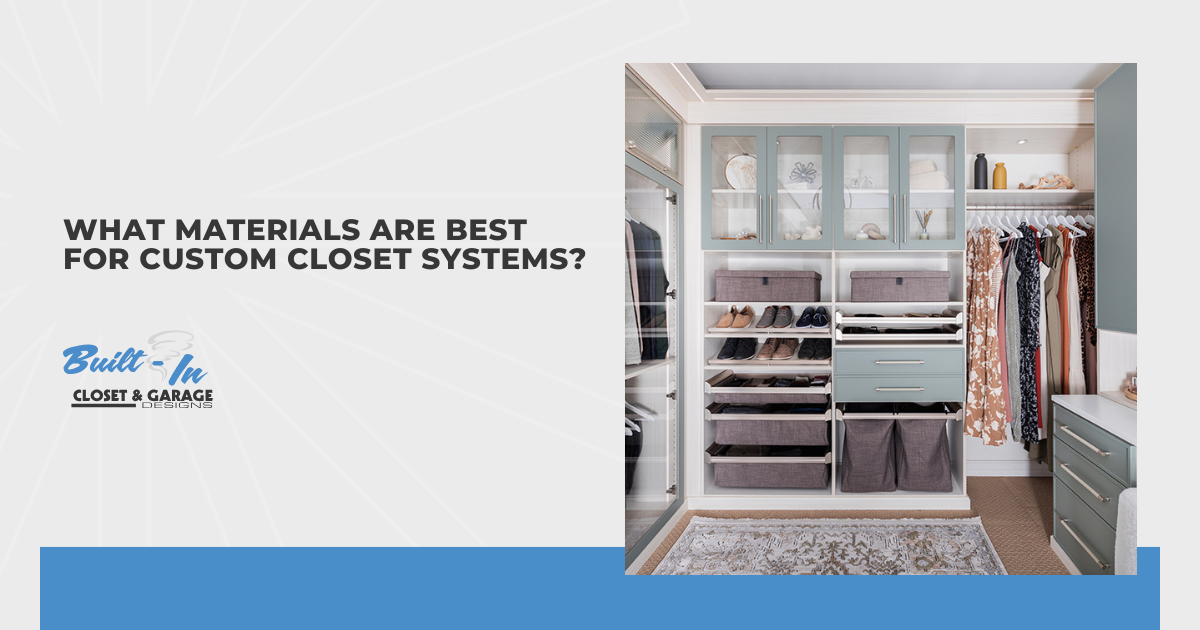
The materials behind your custom closet systems play a bigger role than you might expect. They influence how your closet holds up over time, how it looks day to day, and how well it supports your routine. The right material choice can make your space feel solid, reliable, and easy to use every day. It also affects how much maintenance you’ll deal with and how long your system will last.
I’ve seen closets that look great at first but don’t perform the way they should because of poor material choices. You want something that works with your habits and holds up to regular use. Some materials handle weight better, while others are chosen for their finish or cost. Understanding these differences will help you make smarter decisions for your space.
Here are the most common materials used in custom closet systems and what you should know about each:
- Solid wood for durability and a premium finish
- Plywood for strength and stability
- MDF for smooth, painted surfaces
- Particleboard for budget-conscious builds
- Melamine for low-maintenance durability
- Laminate for versatile design options
- Metal for structure and modern accents
- Glass and acrylic for visual impact
Keep reading and I’ll break each one down so you can confidently choose what works best for your custom closet system.
Solid Wood for Durability and a Premium Finish
Solid wood is often considered the top-tier choice for custom closet systems because of its natural strength and appearance. Materials like oak, maple, or cherry stand out right away in both look and feel. The grain adds character, and the structure feels sturdy with everyday use. It brings a level of craftsmanship that’s difficult to achieve with engineered alternatives.
You’ll appreciate solid wood if you want a closet that can handle daily use without showing wear too quickly. It supports heavier loads, which makes it a great option for hanging sections and shelves that carry bulkier items. At the same time, it does come at a higher price point, so it’s worth thinking about where it will have the most impact. Many choose to use it selectively rather than throughout the entire system.
Humidity is something to keep in mind when considering solid wood. Changes in temperature and moisture can cause expansion or slight movement if the material isn’t properly treated. Proper sealing and careful installation help maintain its stability. When those factors are handled well, solid wood can remain reliable and visually appealing for years.
Plywood for Strength and Stability
Plywood is one of the most reliable materials used in custom closet systems because of how it’s constructed. It’s made by layering thin sheets of wood in alternating directions, which gives it impressive strength and stability. This structure helps reduce the risk of warping, especially in environments where temperature or humidity can fluctuate. You end up with a material that performs well under daily use without feeling overly heavy.
I often recommend plywood when you want a balance between durability and cost. It holds screws and hardware securely, which makes it a strong choice for shelving, partitions, and load-bearing sections. Compared to solid wood, it’s more budget-friendly while still offering dependable performance. That balance makes it a practical option for many custom closet designs.
The edges of plywood can look unfinished if left exposed, so they usually need to be covered or treated. You’ll often see edge banding or a veneer applied to create a cleaner, more polished appearance. Once finished properly, plywood can blend seamlessly into both modern and traditional designs. With the right detailing, it delivers both function and a refined look.
MDF for Smooth, Painted Surfaces
MDF, or medium-density fiberboard, is a popular choice for custom closet systems when a clean, painted finish is the goal. It’s made from fine wood fibers that are compressed to create a dense, smooth surface. This even texture allows paint and coatings to go on consistently without visible grain. You get a sleek and uniform appearance that works well in many designs.
You’ll find MDF especially useful if you prefer a modern or minimalist look. It doesn’t have knots or natural variations, so the finish stays consistent across all panels. It’s also more affordable than solid wood or plywood, which makes it appealing for larger projects. This combination of cost and appearance makes it a common choice for painted closet systems.
MDF does have a few limitations to consider before using it throughout your space. It’s heavier than other engineered materials, which can affect installation and support. It also doesn’t handle moisture well, so it’s best used in dry areas. When used in the right conditions, MDF can still deliver a polished and reliable finish.
Particleboard for Budget-Conscious Builds
Particleboard is often used in custom closet systems when keeping costs low is a priority. It’s made from wood particles that are bonded together using adhesives and pressure. This process keeps production costs down, which makes it one of the most affordable materials available. You’ll often see it used as a base for other finishes like melamine or laminate.
You might consider particleboard if you’re working within a tighter budget or designing a space with lighter use. It can function well for shelving or compartments that don’t carry much weight. At the same time, it doesn’t have the same strength as plywood or solid wood. Heavy loads can cause sagging, especially over longer spans.
Moisture is another factor to think about when choosing particleboard. Exposure to humidity or water can cause it to swell and lose its shape. Because of this, it’s best suited for dry areas where conditions remain stable. With the right expectations and placement, it can still serve a practical purpose in your custom closet system.
Melamine for Low-Maintenance Durability
Melamine is widely used in custom closet systems because of its durable and easy-to-maintain surface. It’s created by applying a resin coating over engineered wood, forming a tough outer layer. This added protection helps resist scratches, stains, and everyday wear. The finish stays consistent, which makes it a reliable option for frequently used spaces.
If low maintenance is important to you, melamine is worth considering. Cleaning is simple and doesn’t require special products or ongoing treatment. A variety of colors and textures are available, making it easier to match your preferred style. Many modern closet designs incorporate melamine for both its practicality and visual consistency.
Edge finishing has a noticeable impact on how melamine performs over time. Chipping or peeling can occur when edges aren’t properly sealed or protected. High-quality edge banding creates a smoother look and improves durability. Proper construction helps maintain both the appearance and performance of the material over the long term.
Laminate for Versatile Design Options
Laminate offers a flexible approach when designing custom closet systems, especially if style is a priority. It’s made by applying a decorative layer over a core material, which allows for a wide range of finishes. You’ll see options that mimic wood grain, solid colors, or even textured surfaces. This variety makes it easier to achieve a specific look without relying on more expensive materials.
Laminate performs well under regular use and adds a protective layer that helps reduce surface wear. Some finishes even replicate the look of natural materials closely enough that the difference isn’t immediately noticeable. That balance between style and function makes it a strong contender in many closet designs. I tend to recommend it when the goal is to elevate the look without significantly increasing costs.
Quality plays a big role in how laminate holds up over time. Lower-grade options may peel or show wear more quickly, especially along edges. Higher-quality laminate tends to maintain its appearance and structure with fewer issues. Careful selection and proper installation go a long way in getting the most out of this material.
Metal for Structure and Modern Accents
Metal is often used in custom closet systems for its strength and reliability. It commonly appears in rods, brackets, and support frames where durability matters most. These components handle weight well and help maintain the overall structure of the system. A well-built closet often depends on these essential elements working together.
You’ll also notice that metal introduces a clean and modern look. Finishes like chrome, matte black, or brushed nickel can complement a variety of styles. When paired with wood or laminate, it creates a balanced design that feels both functional and refined. This combination works especially well in contemporary spaces.
In some designs, metal becomes more than just a support element. Exposed metal details can highlight specific sections or create contrast within the closet. While it’s not typically used for large surfaces like shelving, its role is still critical. Choosing quality hardware helps maintain both performance and visual consistency.
Glass and Acrylic for Visual Impact
Glass and acrylic are often used in custom closet systems to add a more refined and visually open feel. These materials are typically incorporated into cabinet doors, drawer fronts, or display sections. Light can pass through or reflect off their surfaces, which helps brighten the space. This can make your closet feel less enclosed and more thoughtfully designed.
You might consider these materials if you want to highlight certain items or create a more elevated look. Frosted or tinted finishes can offer a bit of privacy while still maintaining a clean appearance. They also pair well with integrated lighting, which can draw attention to specific areas. Used strategically, they can enhance both function and presentation.
Placement plays an important role in how effective these materials are. Glass or acrylic is often best reserved for select sections rather than used throughout the entire system. They require more frequent cleaning and aren’t meant for heavy structural use. When used with intention, they can add a polished and distinctive touch to your closet.
Conclusion
What you choose behind the scenes will have a lasting impact on how your custom closet system looks and functions. Each material offers a different mix of strength, style, and upkeep, so it helps to think through how your space will actually be used. I always look at those day-to-day habits before deciding which materials make the most sense. When the right choices come together, your closet feels easy to use and built to last.

QUICK LINKS
CONTACT INFO
Built-In Closet and Garage Designs
11692 Mantova Bay Cir, Boynton Beach, FL, 33473
Phone
New Paragraph
SCHEDULE A CONSULTATION
Contact us, and we will come out and discuss your project free of charge.